


Wall Protection in Public Buildings
In public-use facilities — such as hospitals, schools, government offices, or industrial halls — walls are constantly exposed to various types of mechanical damage. Increased foot traffic, the transport of goods, or careless movement of medical equipment can lead to scuffs, dents, and cracks. The attitude toward building interiors in public spaces differs significantly from that in private properties, as evidenced by frequent acts of vandalism and the belief that repair costs will be covered by public funds.
Wall protection panels are a solution that helps avoid frequent renovations, thereby reducing maintenance costs. Below, we take a closer look at how protective wall panels work, what materials they are made of, and which additional options should be considered when securing wall surfaces.
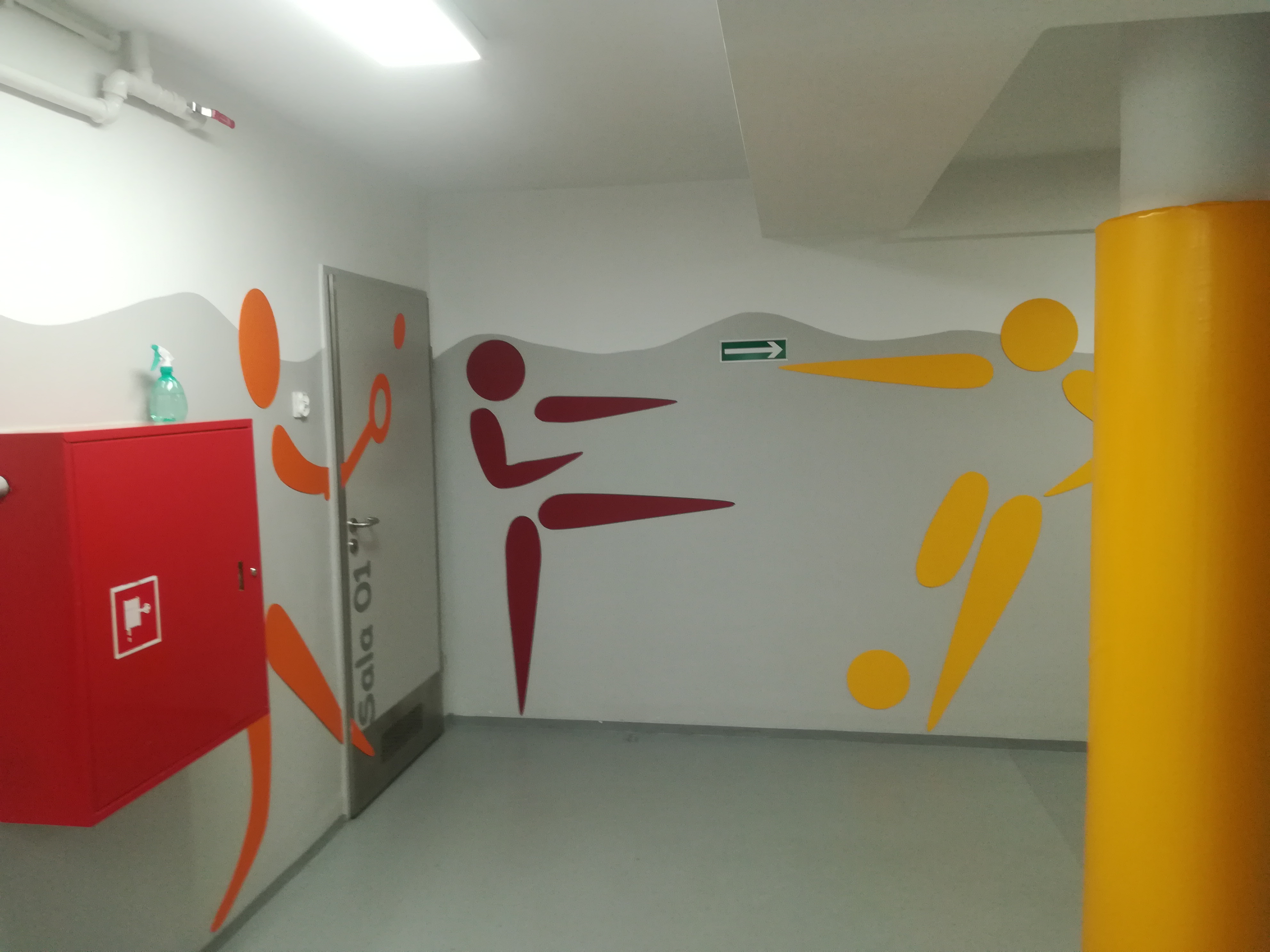
Why Is It Worth Using Wall Protection Panels?
The primary function of wall protection panels is to safeguard surfaces from mechanical damage. In many public-use buildings, large numbers of people move through the space every day — in schools it’s children, in hospitals it’s patients and medical staff. Meanwhile, industrial halls and production facilities see constant movement of employees and equipment, including forklifts and other machinery. With such high traffic, accidental scuffs, impacts, and scratches on walls are almost unavoidable.
By using properly selected wall protection panels, you:
-
Protect your investment: Walls remain in good condition for longer, which translates into lower maintenance costs.
-
Reduce renovation frequency: A durable protective layer minimizes the need for repainting or re-plastering.
-
Improve interior aesthetics: Panels are available in various colors, allowing them to blend harmoniously with the building’s design.
-
Enhance safety: When combined with other protective elements (e.g., flexible bumpers), wall panels reduce the risk of serious damage to plaster or masonry that could compromise structural durability.
Additionally, in halls and other facilities with wheel traffic, it is worth considering the installation of drive-through cleaning systems — special grates that remove dirt from wheels.
Materials Used in Wall Protection Panels
The durability of a wall protection panel depends primarily on the material from which it is made. The optimal solution used by Polmar Profil is a combination of vinyl resin and acrylic.
Where Wall Protection Panels Work Best
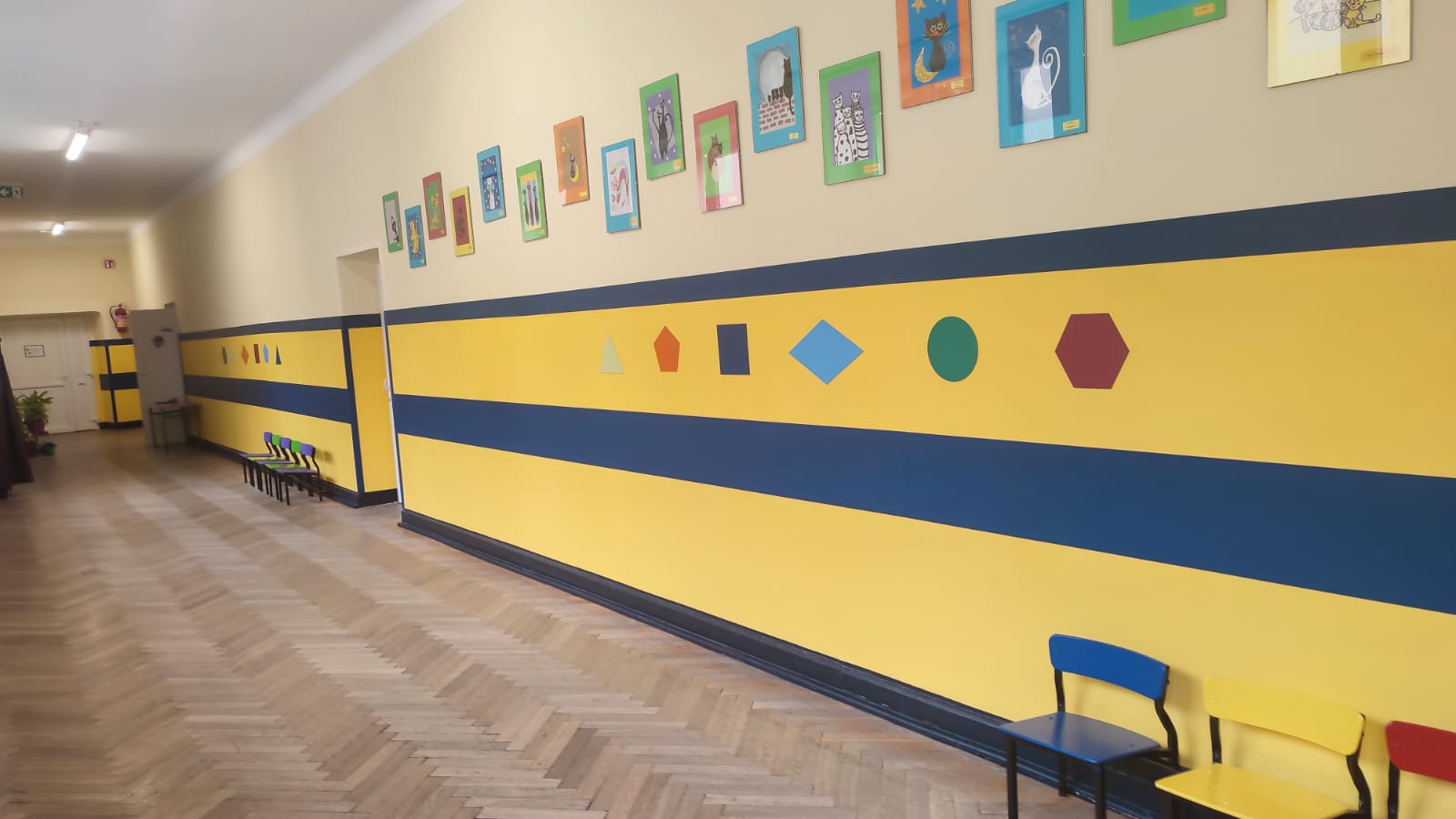
1. Educational Facilities
In places such as schools, kindergartens, and universities, wall protection panels provide solid defense against the effects of active play and the inattentive behavior of children and teenagers. A moment of carelessness is enough for a wall to be scratched by a backpack or a ball. Panels made of vinyl or acrylic resin significantly reduce the risk of permanent damage, keeping corridors neat throughout the school year.
2. Hospitals and Medical Facilities
Healthcare environments experience heavy traffic — patients, staff, carts, hospital beds, and medical equipment frequently collide with walls, often in a hurry. Over time, this can lead to serious damage and frequent renovations. Wall protection panels offer high durability and easy cleaning, which is especially important for maintaining hygiene in hospitals.
3. Industrial Halls and Factories
In production plants and warehouses, where forklifts and heavy equipment are used daily, walls are constantly exposed to impacts and abrasion. Installing durable wall protection panels significantly reduces repair costs and helps maintain order and workplace safety.
Choose Your Color – Polmar Profil Color Chart
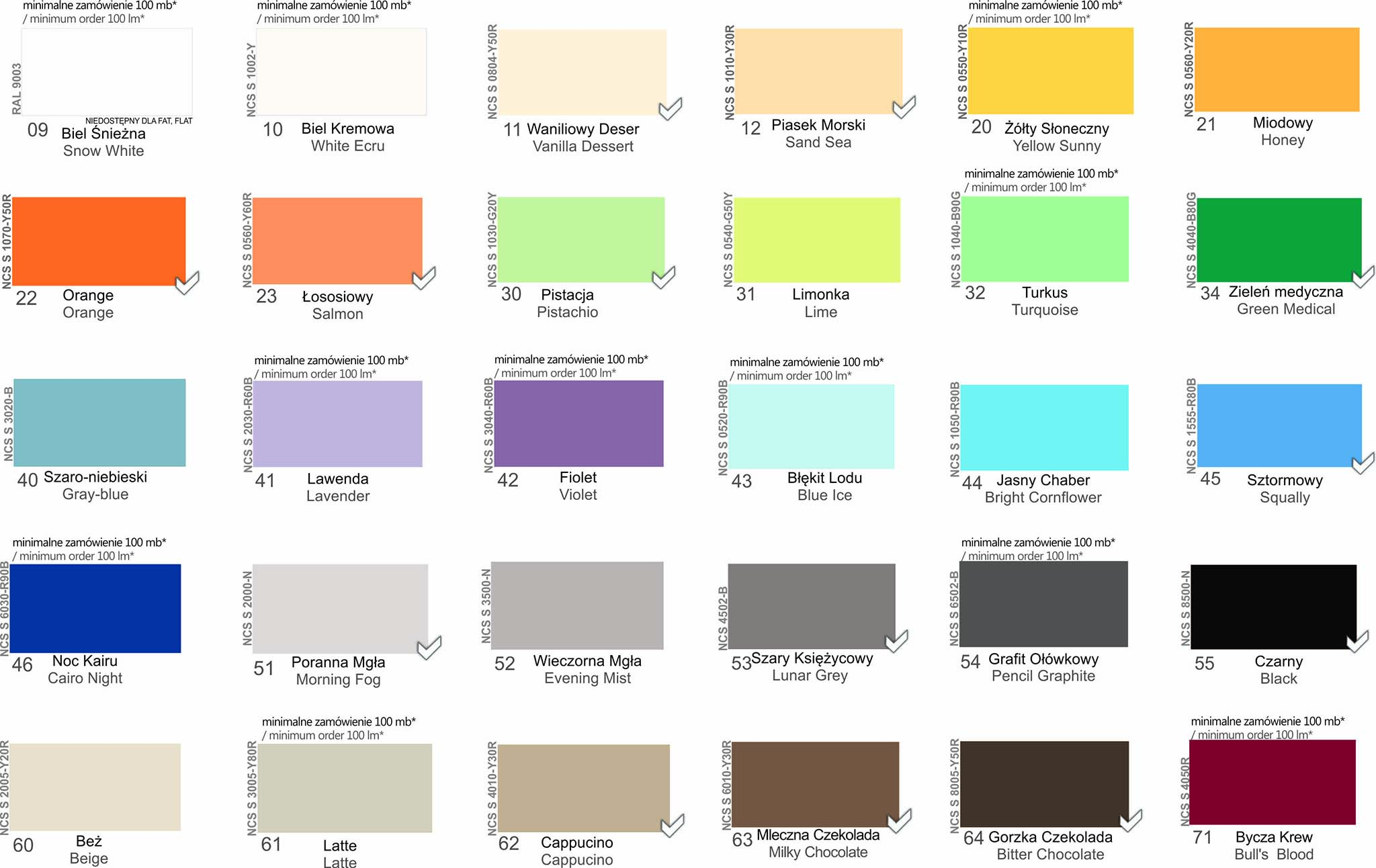
While the primary purpose of wall protection panels is to prevent damage, aesthetics also matter. The right choice of colors can greatly improve the perception of an interior, which is why we offer a full color chart of wall protection panels.
Additional Ways to Protect Walls
Although wall protection panels are an extremely effective method of safeguarding surfaces, it is worth considering additional solutions, especially in areas with a particularly high risk of damage:
-
Wall bumpers: In places such as hospital corridors, industrial halls, or underground garages, flexible bumpers provide extra protection. Installed at the right height, they absorb impacts and prevent dents in plaster.
-
Corner guards: Wall edges are especially vulnerable to scuffs and cracks. Using corner guards — made from flexible or rigid materials — prevents damage to room corners. This solution is ideal for high‑traffic communication routes where people and equipment move intensively.
 Polish
 German