


Protection of walls against soiling and impact damage
Walls in high-traffic facilities—such as schools, kindergartens, hospitals, clinics, and offices—are exposed to constant contact with people, carts, and furniture.
This contact results in soiling, scuffs, and surface damage, necessitating regular refurbishment.
How can a wall be protected against soiling?
Walls are protected against soiling by installing a flat wall guard at the height where chairs, carts, or beds might come into contact with them.
The flat wall guard creates a physical barrier between the wall and the objects rubbing against it, preventing the plaster or paint from coming into direct contact with sources of dirt.
This solution is more cost-effective than periodic repainting, as a single wall guard lasts for many years.
How can a wall be protected against impact and damage?
A wall is protected against impact using a guard rail or bumper selected based on the type of impacts to which the wall is exposed.
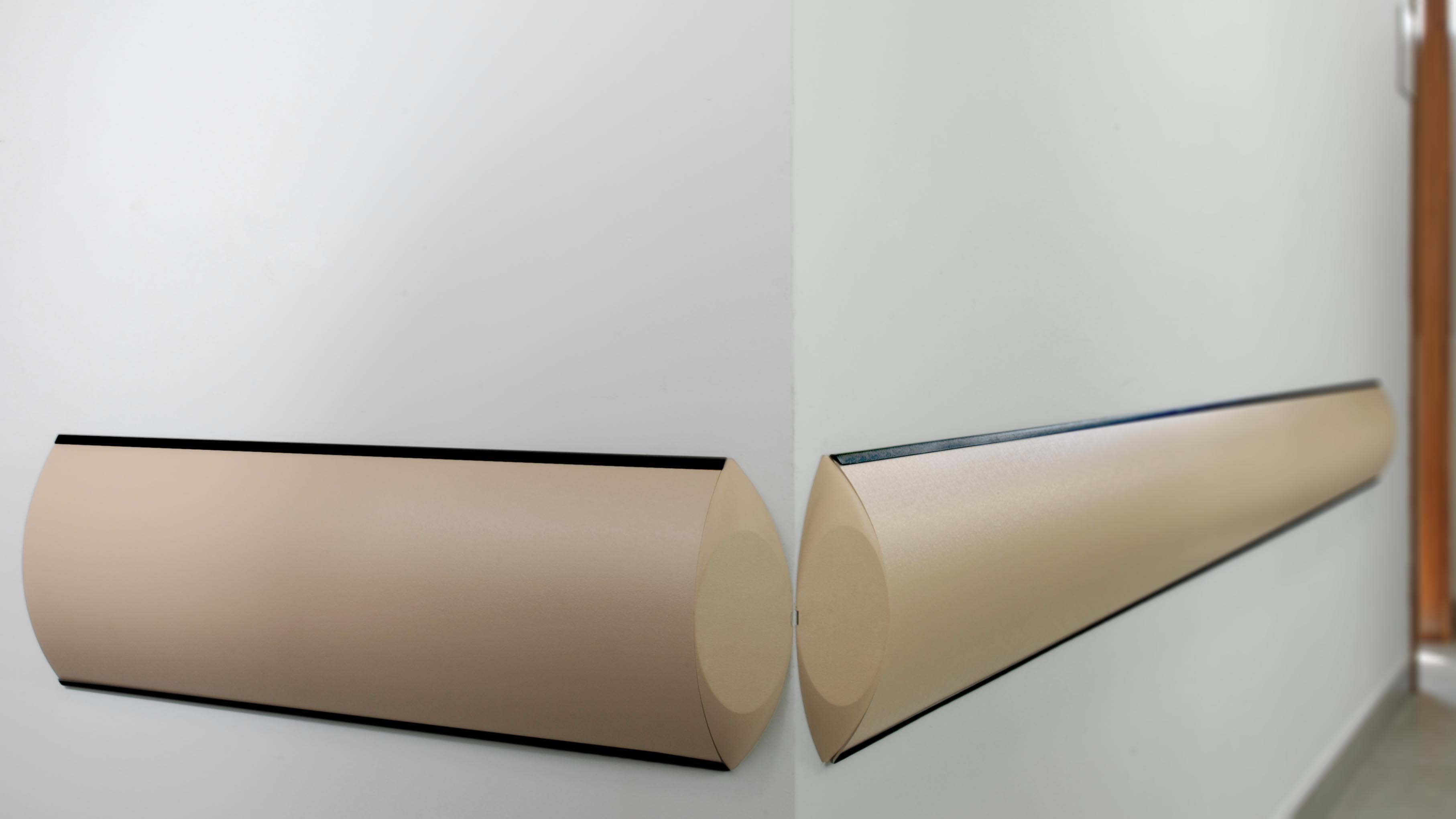
For impacts from chairs or carts, a convex wall guard is effective because its rounded shape dissipates the kinetic energy of the impact.
For irregularly shaped walls—such as rounded columns—a flexible wall guard is used, as it can be bent to match the curvature of the surface.
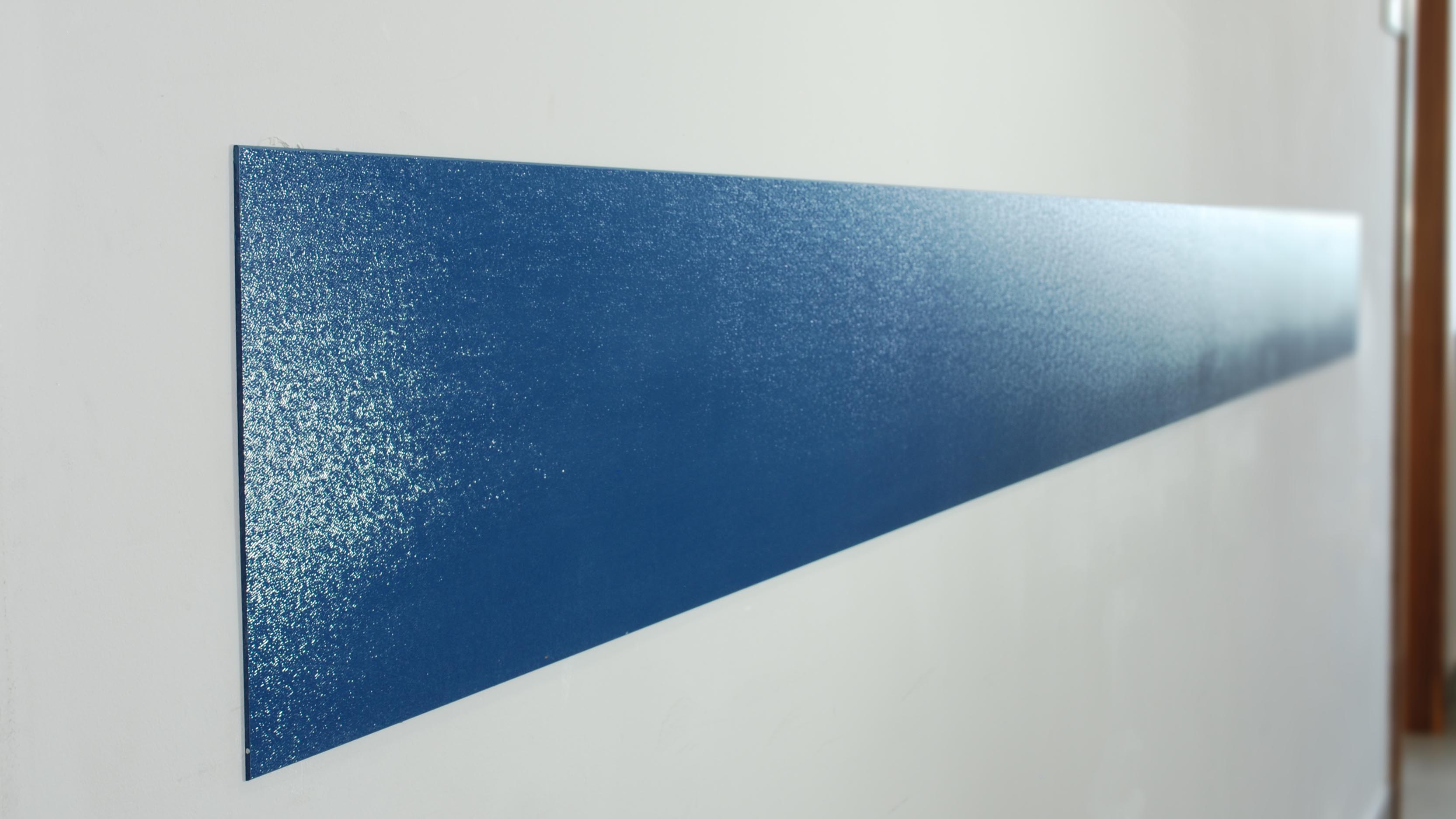
What is the difference between a flat wall guard and a flexible wall guard?
The flat wall guard has a rigid structure and is made of polyvinyl chloride (PVC).
The flexible wall guard remains pliable, allowing it to be installed on curved walls and rounded columns where a rigid profile would not fit.
Both versions are available in the same color range, enabling them to be combined in a single room without compromising visual consistency.
When is a convex wall guard the right choice?
A convex wall guard is ideal for areas where wheeled carts or hospital beds are moved along corridors—such as in hospital wards.
The convex profile absorbs the force of an impact rather than transferring it directly to the wall.
A variation of this solution is the industrial wall guard featuring an energy-absorbing design; installed in shopping mall corridors, warehouses, and garages, it protects both the wall and vehicle bodywork from scrapes.
What is a combined handrail and wall guard, and where is it installed?
This product combines the functions of a handrail and a wall guard into a single wall-mounted profile.
Patients use it as a handrail when moving along the corridor, while the wall beneath remains protected against impacts from hospital carts and beds.
Due to this dual function, these units are primarily installed in hospitals and healthcare facilities, where the aesthetic appearance of the corridor is just as important as its functionality.
How do you install a wall guard?
Flat wall guards are installed using a self-adhesive backing on smooth, uniform surfaces, or with mounting adhesive on uneven surfaces.
Before installation, the wall surface must be cleaned of dust and degreased, as this directly affects the durability of the profile's bond.
Due to its weight and rigidity, a steel wall guard is mechanically fastened to the wall structure rather than being glued.
Where can you buy wall guards and other wall protection products?
Wall guards are one of several product categories designed to protect walls against dirt and damage.
This protection is complemented by corner guards, which safeguard the edges of walls and columns most vulnerable to impact.
A full overview of flat, flexible, and convex options can be found in the wall protection category.
Orders can be placed by phone, via the email form, or directly through the Polmar Profil online store.
 Polish
 German