


Crash Rails – Safety and Hygiene in Nursing Homes
What Are Crash Rails?
Crash rails are integrated elements installed directly on walls, most commonly along circulation routes. As the name suggests, they combine two fundamental functions:
- Handrail function – provides stable and secure support for users, minimizing the risk of falls and facilitating independent movement
- Protective (bumper) function – protects walls from damage, scratches, and dents caused by impacts from wheelchairs, walkers, hospital beds, or transport trolleys
Thanks to this hybrid design, crash rails offer an intelligent solution to common challenges in healthcare and care facilities. Instead of installing separate handrails and wall bumpers, a single cohesive, aesthetic, and highly functional protection system is achieved.
What Are Crash Rails?
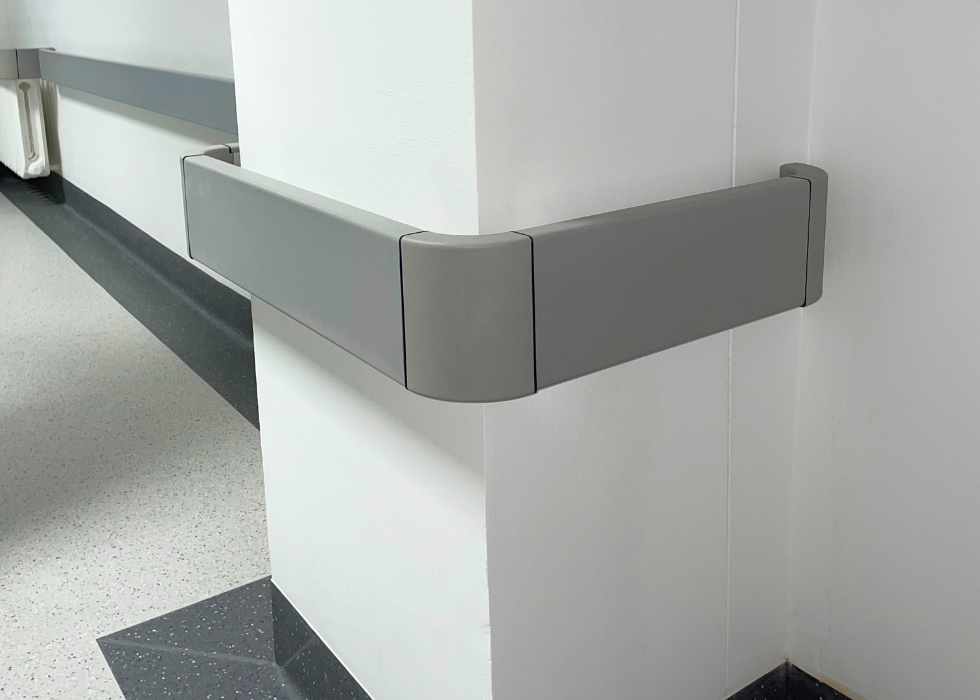
Crash rails are integrated elements installed directly on walls, most commonly along circulation routes. As the name suggests, they combine two fundamental functions:
- Handrail function – provides stable and secure support for users, minimizing the risk of falls and facilitating independent movement
- Protective (bumper) function – protects walls from damage, scratches, and dents caused by impacts from wheelchairs, walkers, hospital beds, or transport trolleys
Thanks to this hybrid design, crash rails offer an intelligent solution to common challenges in healthcare and care facilities. Instead of installing separate handrails and wall bumpers, a single cohesive, aesthetic, and highly functional protection system is achieved.
Why Are Crash Rails Essential in Nursing Homes and Care Facilities?
Nursing homes and long-term care facilities accommodate individuals who are particularly vulnerable to accidents. Elderly people, patients recovering from injuries, those with chronic conditions, or mobility impairments have specific needs.
Limited mobility, balance issues, and the use of crutches, walkers, or wheelchairs significantly increase the risk of falls and accidents. According to regulations, such facilities must be free of architectural barriers and ensure maximum safety levels.
Support for People with Disabilities and Reduced Mobility
Crash rails installed at a consistent height meet design standards for barrier-free environments. The contrast between the rail color and the wall improves orientation for visually impaired users, while the streamlined shape minimizes the risk of snagging clothing or medical accessories.
Key Advantages of Crash Rails in Everyday Use
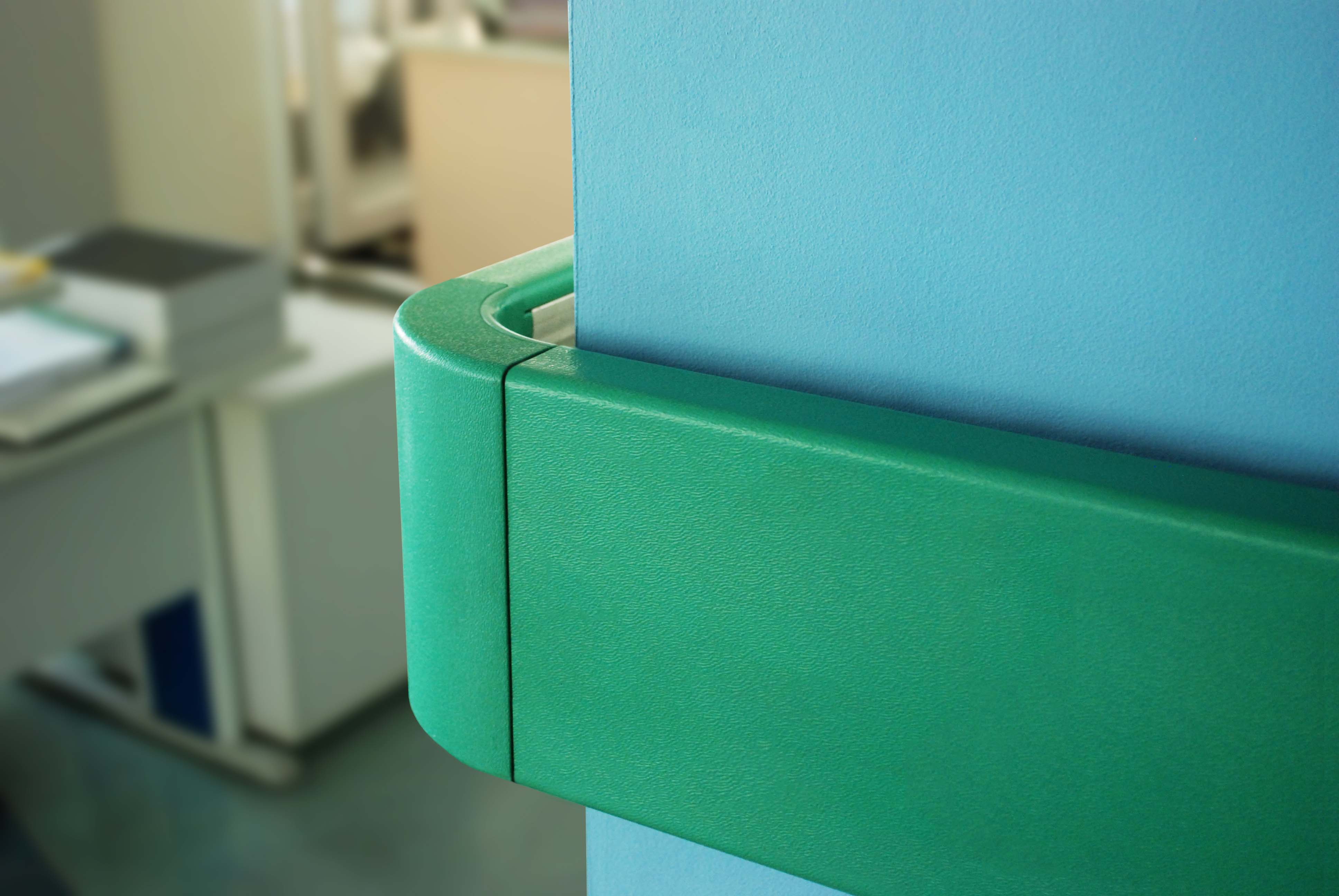
Choosing professional crash rails from Polmar Profil provides numerous benefits that directly improve facility operations:
- Enhanced safety – ergonomic shape and optimal diameter ensure a secure grip, offering crucial support for individuals with mobility and balance impairments
- Wall protection and cost reduction – eliminates the need for frequent wall repairs and repainting caused by equipment impacts
- High hygiene standards – PVC surfaces are easy to clean and resistant to strong disinfectants, supporting strict sanitary requirements
- Flexibility and aesthetics – with accessories such as corners, connectors, and end caps, it is possible to create continuous protective lines adapted to corridor layouts; a wide color range allows integration with interior design
- Quick and easy installation – designed for straightforward wall mounting, reducing installation time and minimizing disruption
How Do Crash Rails Improve Safety in Care Facilities?
- Reduction of falls – stable grip helps prevent loss of balance, especially in narrow or slippery corridors
- Protection against abrasions – the profile isolates the body from rough wall surfaces and sharp edges
- Safer evacuation – in emergency situations, residents can rely on handrails for faster and more secure movement
- Reduced staff workload – fewer fall-related incidents mean fewer interventions, improving care quality and reducing staff burden
Crash Rails – Functional Structure

The effectiveness of crash rails lies in their well-designed, multi-layer construction:
- Durable PVC outer layer – the external surface, made of high-quality, through-colored PVC, ensures durability and a secure grip thanks to its slightly textured finish; it is easy to clean and resistant to moisture and disinfectants
- Aluminum structural core – evenly distributes loads across mounting anchors, reducing stress on the wall and extending system lifespan
- Integrated shock absorber – an elastomer core absorbs kinetic energy during impacts (e.g., from metal trolley parts), protecting both the wall and the user
Summary
Crash rails are an essential element of nursing homes and long-term care facilities, combining the functions of handrails and protective bumpers in one system. They provide effective support for people with limited mobility, increasing safety and independence.
At the same time, they protect walls from damage, are easy to maintain, and aesthetically integrate into interior spaces. Thanks to their robust construction, built-in shock absorption, and well-designed installation system, they significantly improve infrastructure quality, reduce accident risks, and lower staff workload.
As a result, they contribute to creating a safer, more functional, and user-friendly environment for both residents and staff.
Our offer also includes wall-mounted handrails and other types of wall protection systems.
 Polish
 German