


NCS, LRV and ΔE in the design of wall protection systems
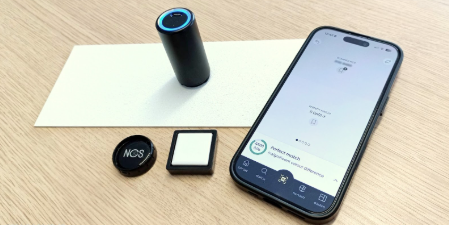
In Acramit wall protection systems – such as wall protection panels, corner guards, hospital bump rails or handrails – colour serves not only an aesthetic purpose but also a technical and functional one. It must be clearly defined, repeatable in production, and support user safety in high‑traffic environments such as hospitals or schools. Visit the COLOURS section: KOLORY - Acramit Polmar Profil Polska
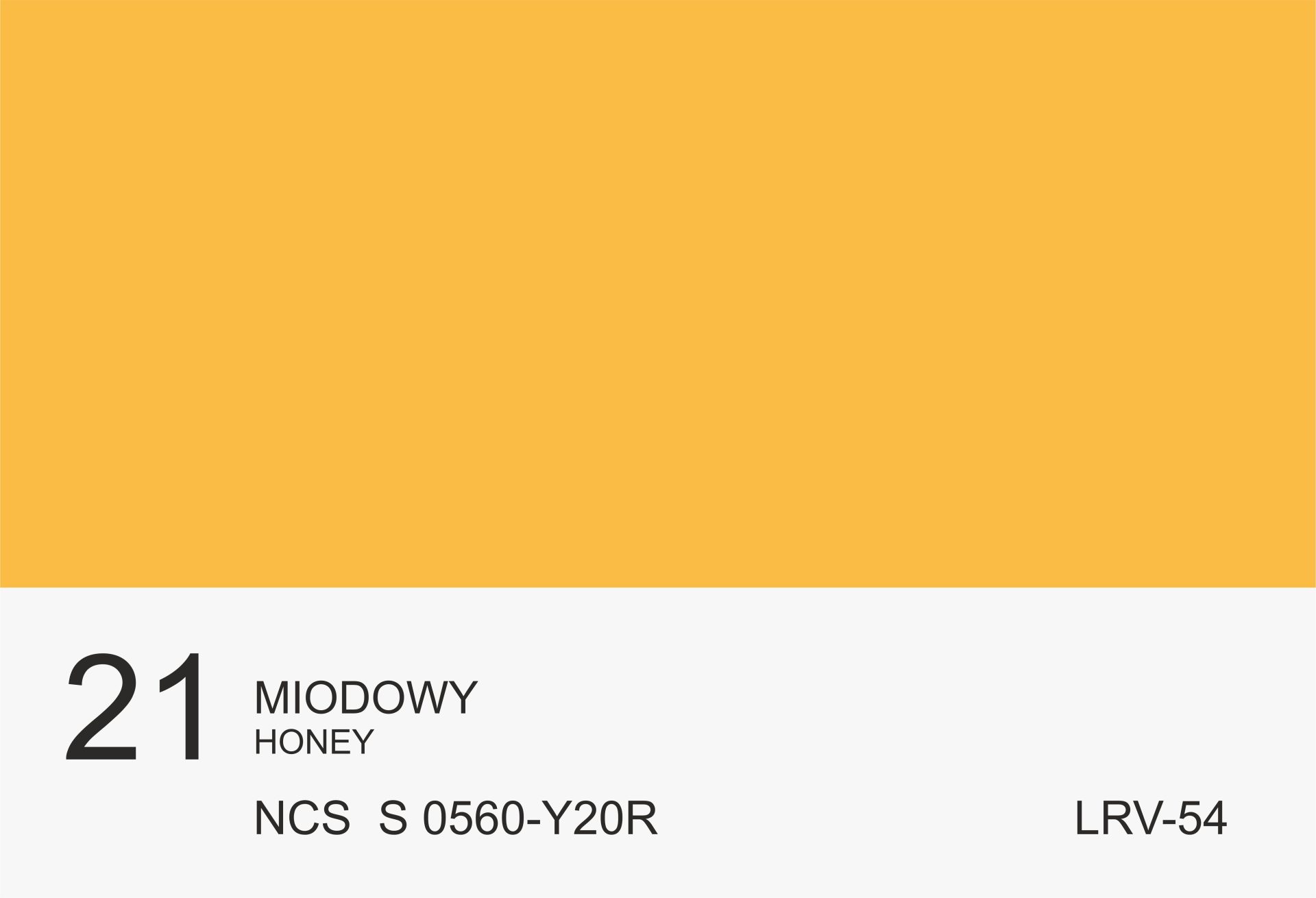
Let’s take a look at colour code 21 HONEY.
he key tools in this area are: NCS, LRV and ΔE (Delta E).
NCS – precise colour definition in design
NCS (Natural Color System) enables unambiguous colour specification already at the architectural design stage. In wall protection systems this is particularly important – different elements (e.g., panels, bump rails and corner guards) often need to be colour‑coordinated or intentionally contrasting.
Decoding the notation:
-
S – NCS standard (Second Edition),
-
05 – very low blackness (a light colour),
-
60 – high chromaticness (an intense colour),
-
Y20R – yellow with 20% red component.
Practical interpretation: This is a light, warm, clearly saturated colour leaning towards yellow‑orange. It creates an “energetic” effect, is highly visible in the space, yet not too dark or overwhelming.
Thanks to this notation, the manufacturer – Polmar – can reproduce the colour regardless of production batch, and the designer can be confident that the final installation matches the design intent.
LRV – safety and functionality in the space
LRV (Light Reflectance Value) defines how much light a surface reflects. In wall protection systems, this has a direct impact on user safety.
-
0 – no reflection (black),
-
100 – full reflection (white).
In facilities such as hospitals or schools, LRV is used to:
-
ensure contrast between elements (e.g., wall – bump rail – handrail),
-
improve visibility of edges and corners,
-
support users with limited visual perception,
-
meet design guidelines and accessibility standards.
Practical example:
-
light wall panel (high LRV),
-
darker bump rail or handrail (lower LRV),
-
difference ≥ 30 LRV points → clear functional identification of the element.
ΔE – colour consistency in production
In the production of PVC or acrylic‑vinyl components (e.g., ACRAMIT wall panels or bump rails), maintaining colour consistency between batches is crucial.
Colour is measured in the CIELab (Lab*) space using a spectrophotometer, and the deviation from the reference is expressed as ΔE (Delta E).
ΔE interpretation:
-
< 1 – no perceptible difference,
-
1–2 – very high consistency (premium standard),
-
2–3 – difference visible when compared directly,
-
> 3 – clearly noticeable difference (often unacceptable).
In practice this means that:
-
wall panels from different deliveries do not “drift” in colour,
-
corner guards and bump rails match the wall finish,
-
system components (e.g., handrails with coloured inserts) form a visually coherent set.
We use high‑quality pigments and strive to achieve ΔE below 1 or 2.
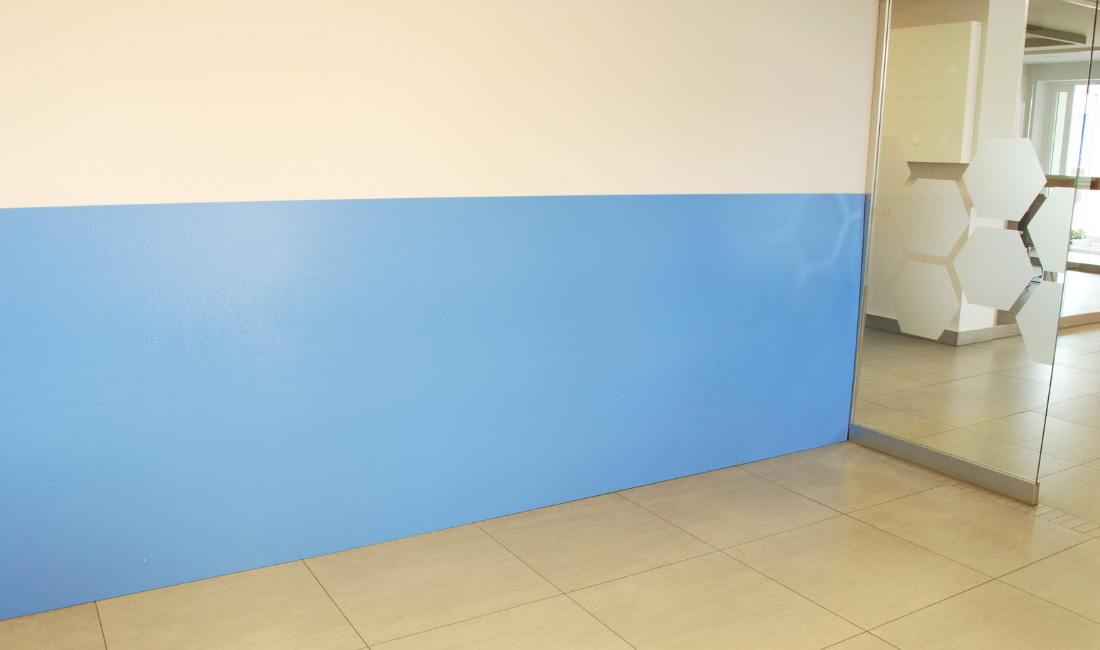
Conclusions for ACRAMIT wall protection systems
In modern facilities (hospitals, clinics, schools, industrial buildings):
-
NCS ensures precise colour specification in the design,
-
LRV determines functionality and safety of the space,
-
ΔE guarantees colour repeatability in production.
Only the combination of these three parameters allows the creation of a wall protection system that is aesthetically consistent, durable, and compliant with user requirements and design standards.
 Polish
 German